Ryanair Flight Returns to Birmingham After Turbulence Injures Multiple Passengers
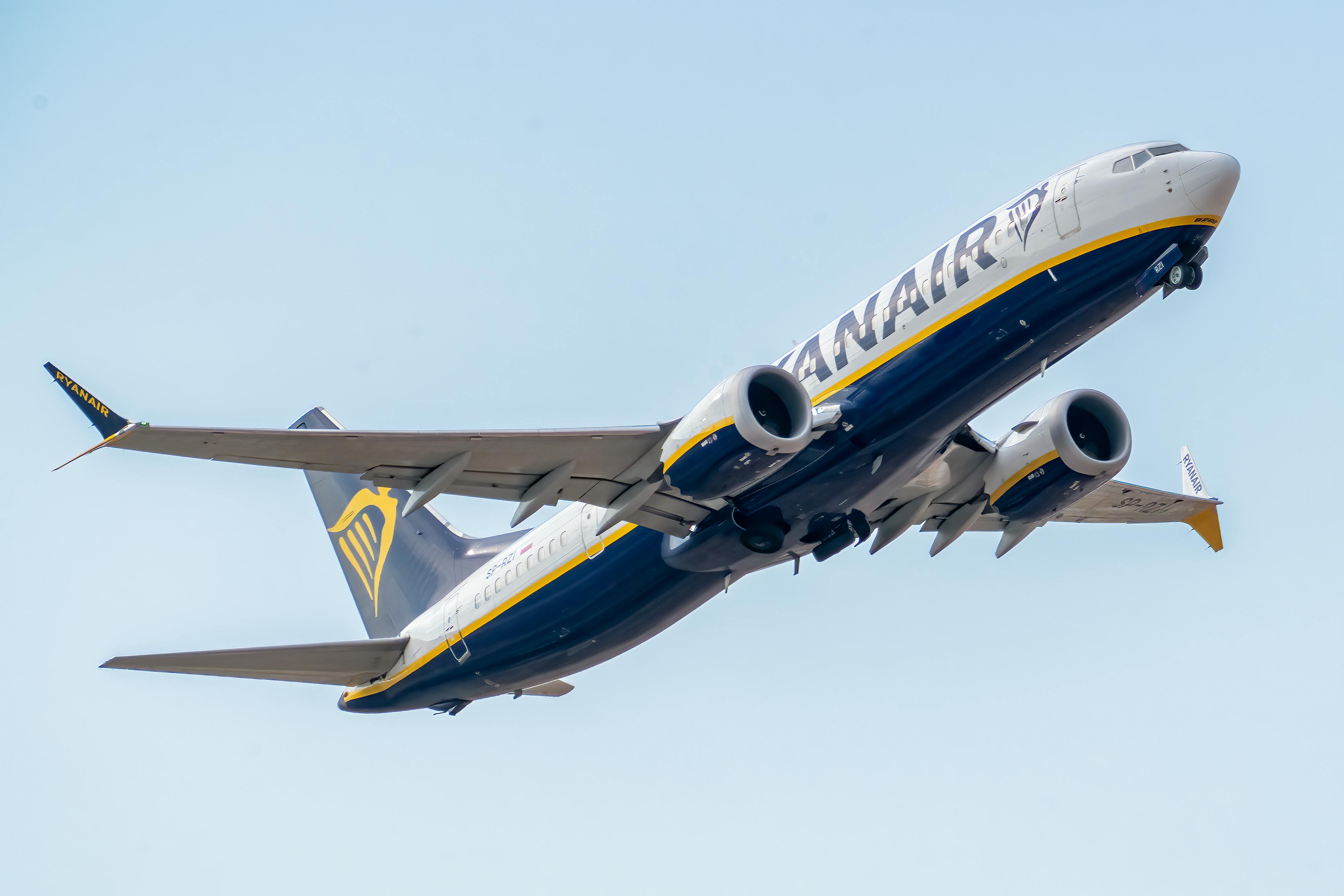
A Boeing 737 MAX 8200 operating from Birmingham to Tenerife encountered severe turbulence over France, forcing an emergency return to the departure airport after several passengers sustained injuries.
A Ryanair Boeing 737 MAX 8200 aircraft was forced to return to Birmingham Airport following a severe turbulence encounter that resulted in injuries to multiple passengers. The incident occurred on December 28, 2025, while aircraft EI-HGO was operating Flight FR 1121 from Birmingham Airport in the United Kingdom to Tenerife South Airport in Spain.
The aircraft encountered moderate to severe turbulence approximately 30 nautical miles northeast of Brest, France, during the outbound flight. In response to the turbulence and resulting passenger injuries, the flight crew declared an emergency by transmitting the emergency transponder code 7700 and initiated a return to Birmingham Airport.
Emergency Return and Landing
Flight tracking data indicates that the aircraft landed safely back at Birmingham Airport approximately 50 minutes after its initial departure. The decision to return to the departure airport was made by the flight crew following the turbulence encounter and assessment of passenger injuries sustained during the incident.
A passenger who was aboard the flight described the experience to local media, comparing it to scenes from a horror film. The passenger reported that the aircraft was flying smoothly when, without warning, the aircraft suddenly and violently jerked to the left, followed immediately by an equally abrupt movement to the right. The passenger stated that the force of these movements caused passengers to be thrown from their seats.
Turbulence Detection and Prediction Challenges
This incident highlights the ongoing challenges associated with predicting and avoiding turbulence, particularly clear-air turbulence that occurs without visible weather indicators. Clear-air turbulence, as its name suggests, is not associated with visible weather phenomena such as clouds or storms, making it extremely difficult to detect in advance.
Flight crews utilize multiple tools and techniques to identify and avoid turbulent conditions. Pre-flight planning includes route briefings and turbulence forecast charts that help crews anticipate potentially unstable airspace. During flight, pilots rely on real-time pilot reports from other aircraft operating on similar routes, air traffic control advisories, and ride quality reports to maintain situational awareness of atmospheric conditions.
Visual indicators can sometimes provide warning of turbulent conditions ahead. Clouds with sharp, uneven, or rolling edges may signal unstable air. Rapid changes in wind speed or direction, the passage of weather fronts, and temperature inversions can all contribute to atmospheric instability that generates turbulence. Areas where strong surface winds interact with terrain features or obstacles are also known to produce irregular airflow patterns that can affect aircraft.
Despite these detection methods and technological improvements in weather forecasting, turbulence can still strike unexpectedly. This unpredictability poses a growing concern for commercial aviation, particularly as climate change contributes to increasingly volatile weather patterns that may affect turbulence frequency and intensity.
Global Trends in Turbulence Incidents
Turbulence-related incidents have been increasing globally, driven in part by changing weather patterns associated with climate change. This trend affects flights operating at various altitudes, with long-haul and high-altitude flights traversing polar and mid-latitude corridors being particularly susceptible to clear-air turbulence events. Mountainous terrain also significantly influences turbulence patterns, creating additional challenges for flight planning and operations.
In response to this growing concern, aviation authorities and industry stakeholders are implementing new measures to address turbulence risks. Following a fatal clear-air turbulence incident in May 2024, Singapore became the first country to classify severe air disturbances as a major in-flight safety threat, placing them on the same level of operational safety risk as midair collisions and unauthorized runway incursions.
The Civil Aviation Authority of Singapore (CAAS) stated that sudden, invisible wind shifts capable of violently shaking an aircraft without warning must now be treated as a state-level operational safety risk. This classification reflects the serious nature of turbulence events and the need for comprehensive safety measures to address this threat.
Industry Response and Safety Measures
Airlines and aircraft manufacturers are responding to the increasing frequency of turbulence events through various approaches. New aircraft design features, updated operational procedures, and enhanced crew training programs are being developed and implemented to maintain safe and efficient operations in this changing environment.
Reducing the impact of turbulence is no longer simply a matter of passenger comfort. It has become critical to safety, operational reliability, and maintaining passenger confidence in commercial aviation. As weather detection technology continues to improve, flight crews' ability to identify and avoid hazardous weather conditions also improves, though complete elimination of turbulence risk remains impossible.
Aircraft Type and Performance
The Boeing 737 MAX 8200 is a high-capacity variant of the 737 MAX 8, designed to accommodate more passengers than the standard MAX 8 configuration. The aircraft type has been in service with Ryanair and other carriers, and this incident does not appear to be related to any aircraft-specific issues. The turbulence encounter was the result of atmospheric conditions rather than any mechanical or performance problems with the aircraft itself.
Ryanair operates one of the largest fleets of Boeing 737 MAX aircraft in Europe, and the airline has extensive experience operating these aircraft across its extensive route network. The carrier's flight crews are trained to handle various operational scenarios, including turbulence encounters and emergency situations requiring aircraft diversion.
This incident serves as a reminder of the unpredictable nature of atmospheric conditions and the importance of maintaining strict adherence to safety procedures, including keeping seatbelts fastened whenever seated, even when flight conditions appear smooth. Passengers and crew members alike benefit from following safety instructions, as turbulence can occur with little or no warning, regardless of aircraft type or operator experience.
Related Aviation News
Multi Pass Module Added to Our Preparation Software for FEAST!
We're excited to announce the addition of Multi Pass, a brand-new training module now available in o...
Read full article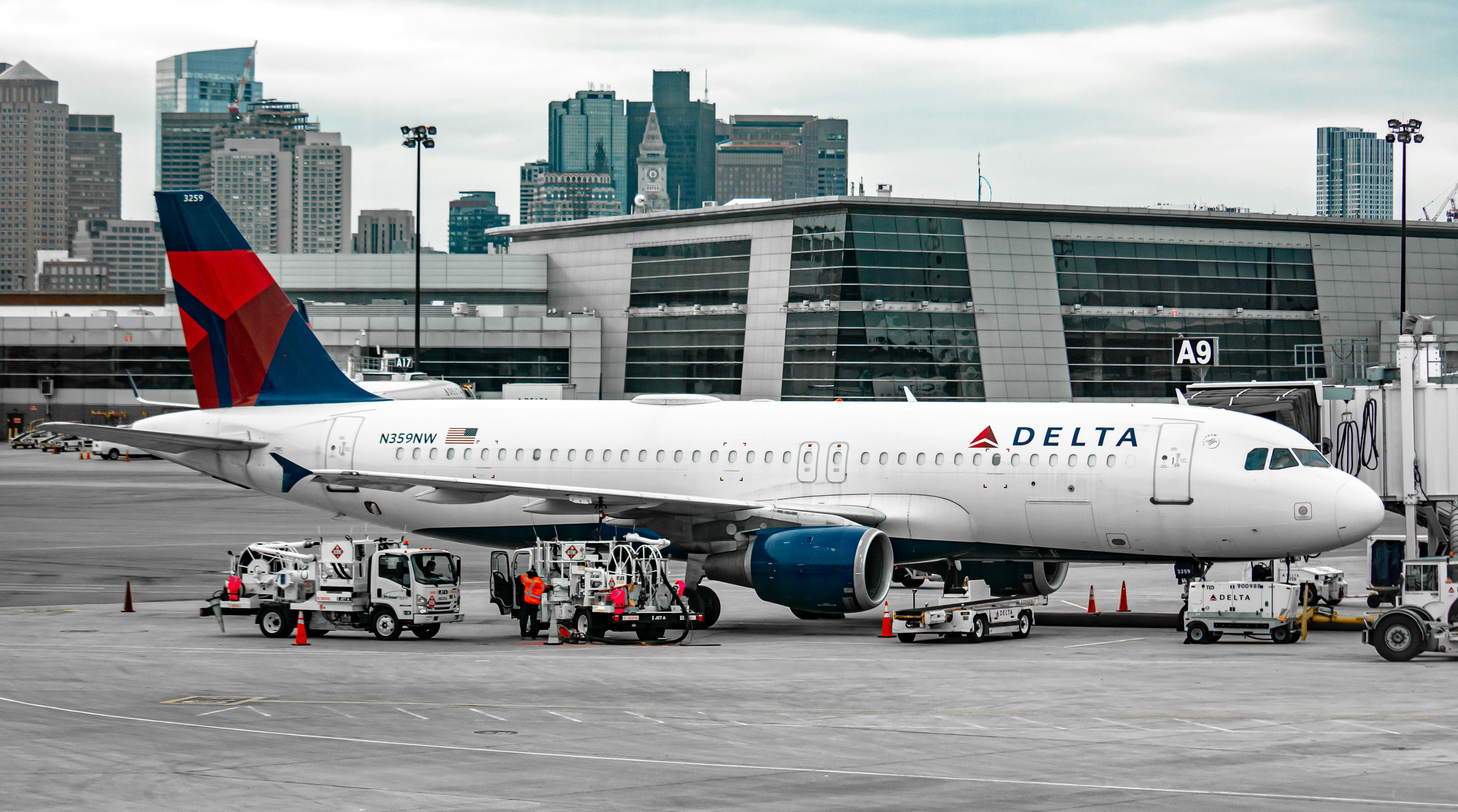
Delta Air Lines Launches Record-Breaking 5,095-Mile Domestic Route to Hawaii
Delta Air Lines reintroduces service between Boston and Honolulu, establishing the longest nonstop d...
Read full article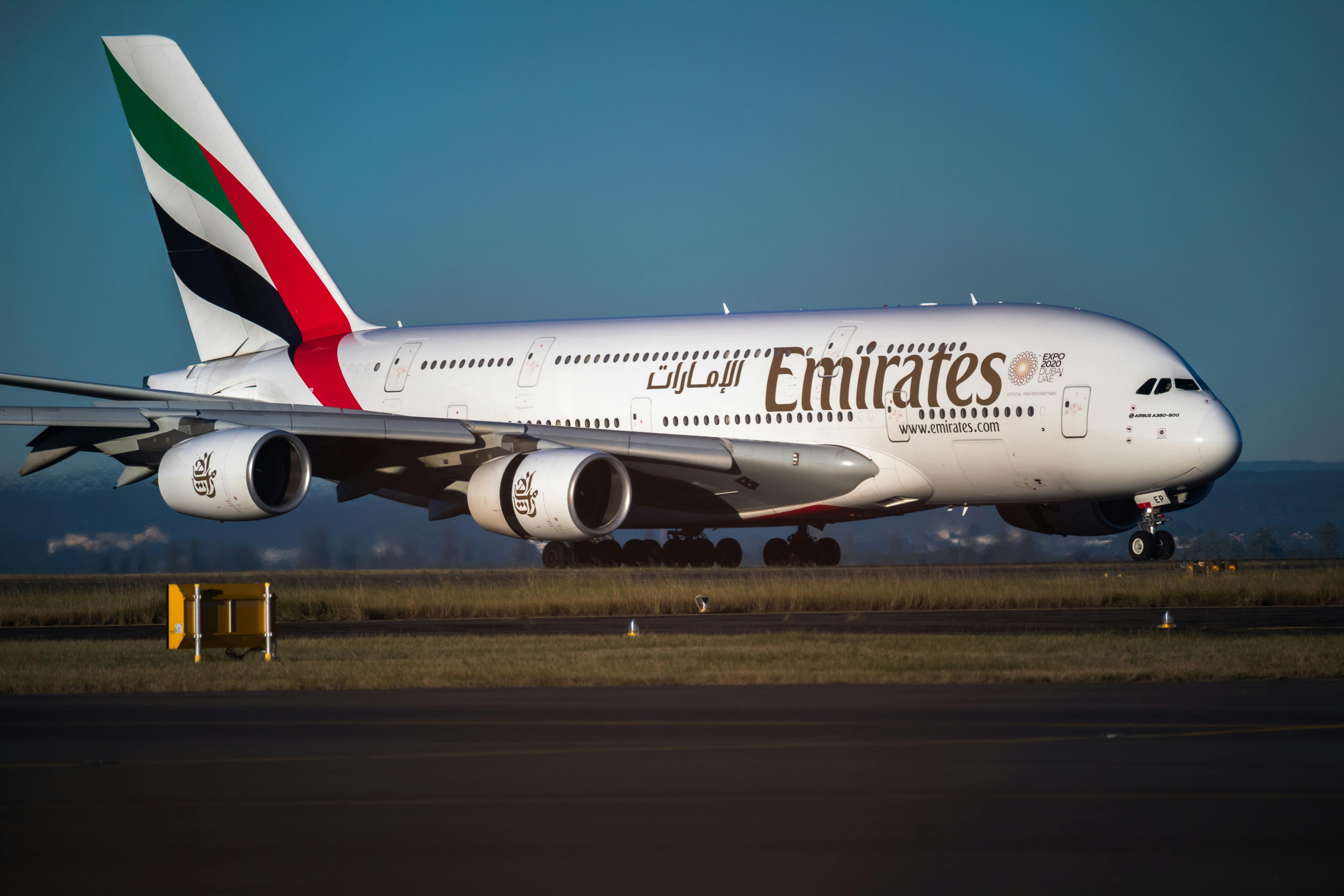
Emirates Suspends All Airbus A380 Flights To This Major Destination
Emirates has discontinued its Airbus A380 service to Bali, replacing the superjumbo with Boeing 777-...
Read full article